

One of the conditions that can cause you to visit the emergency room due to sudden, excruciating flank pain is urolithiasis. As summer draws to a close, the number of people reporting emergency room visits for urolithiasis increases. According to data from the National Health Insurance Service, August is the month with the highest incidence of urolithiasis, and in 2022, 317,472 people received treatment for this condition. If urine remains in a state prone to stone formation, the same problem can recur within a few years, making post-pain management as crucial as the treatment itself.
Why Does Urolithiasis Occur?
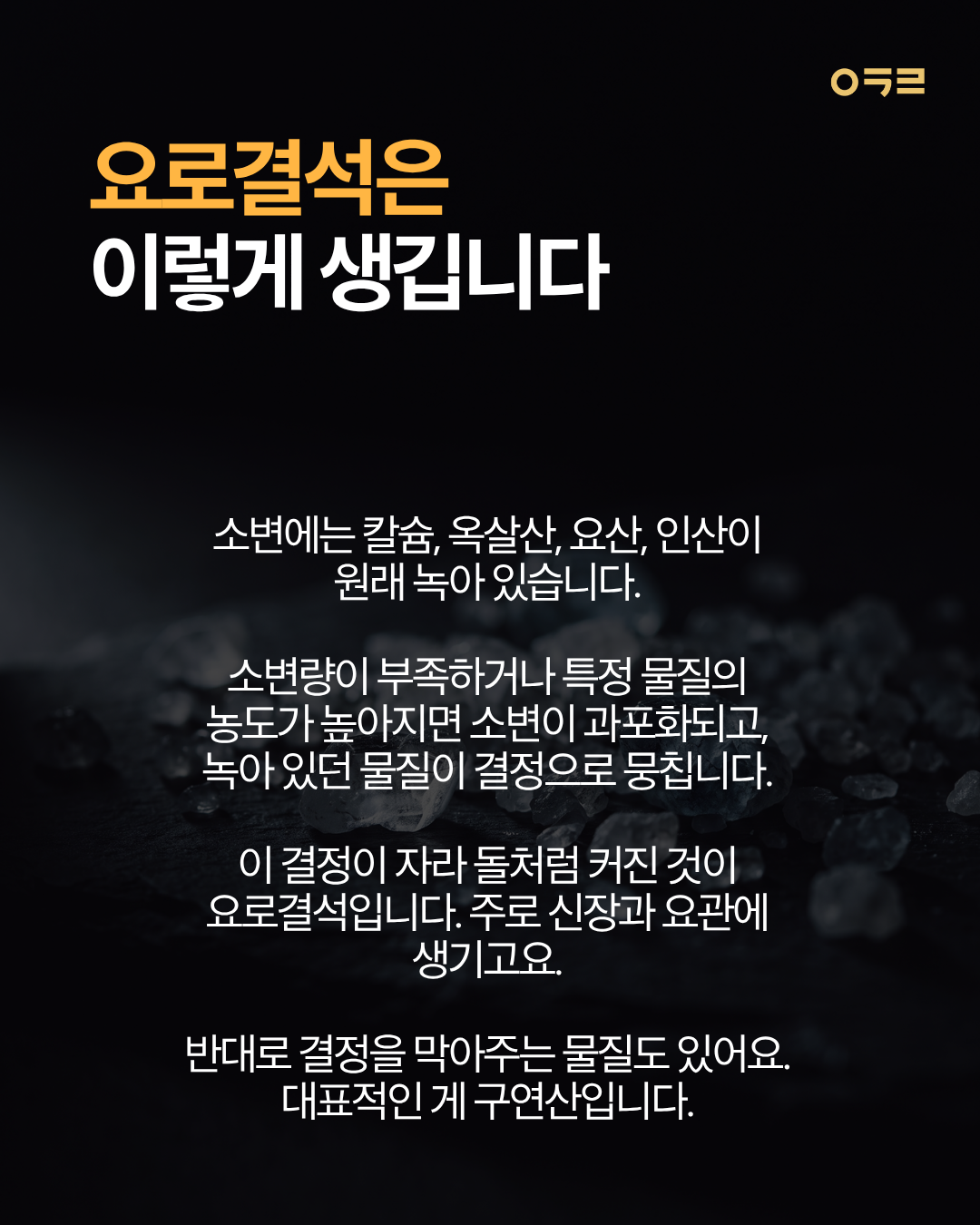
Urolithiasis is a condition where stones form in the urinary tract, including the kidneys, ureters, bladder, and urethra. These are not foreign substances but rather calcium, oxalate, and uric acid dissolved in urine that crystallize and grow. Approximately 80% of adult stones contain calcium, with calcium oxalate stones being more common than calcium phosphate stones. The remainder consists of uric acid stones or infection-related stones. Citrate in urine plays a role in preventing crystal aggregation by first binding with calcium. If citrate levels decrease, crystals can form more easily even with the same amount of calcium. According to 2022 data from the National Health Insurance Service, men accounted for 66.2% of patients, twice the number of women, and those in their 50s were the most numerous at 23.5%.
Symptoms and Emergency Signals
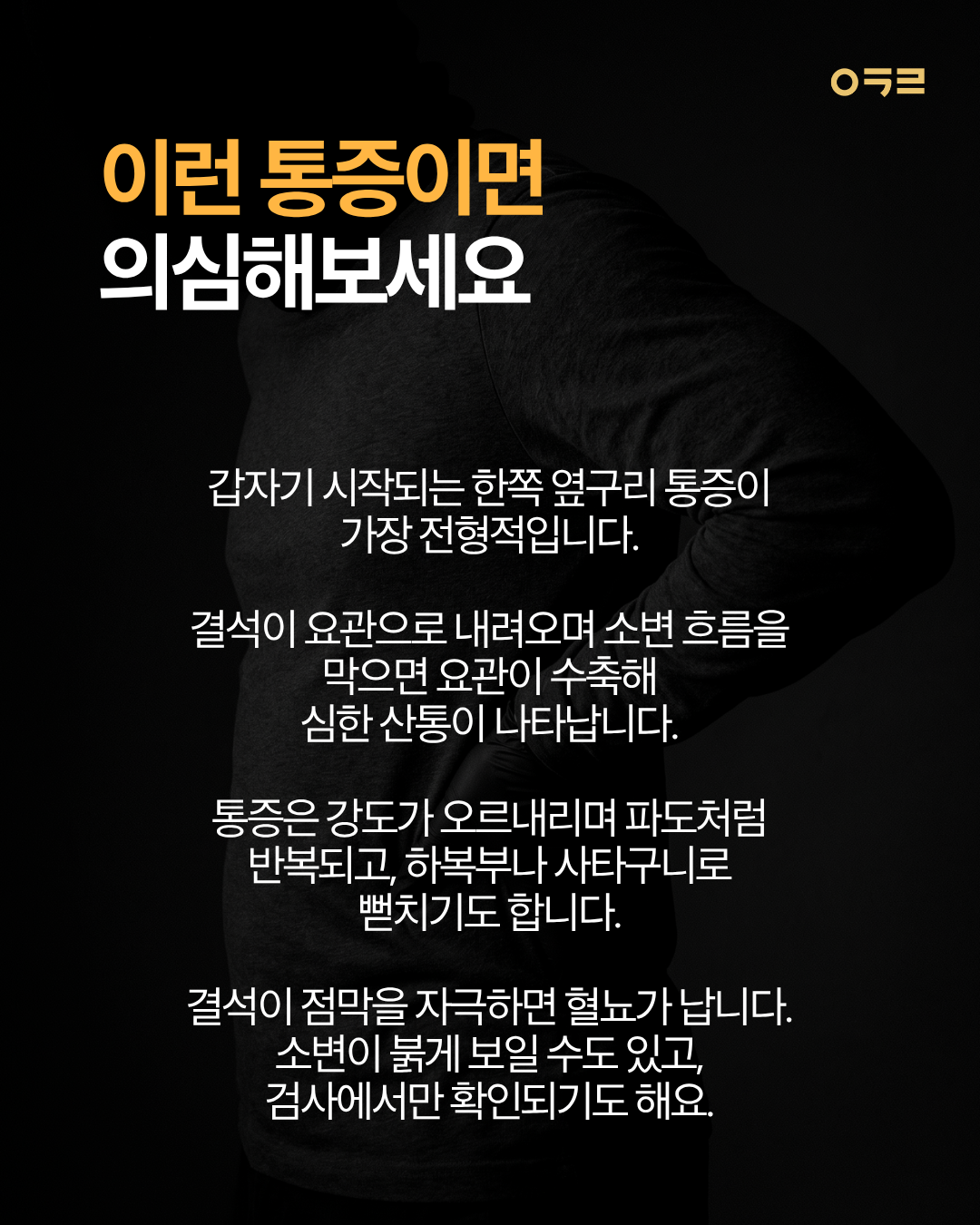
The most prominent sign suggesting urolithiasis is severe, unannounced pain in one flank. This pain often does not subside easily with painkillers and recurs in waves. As the stone descends, the pain may radiate to the lower abdomen and groin. If the stone scrapes the ureteral wall, blood may mix with the urine, sometimes visible to the naked eye, and other times only detectable through microscopic examination. Nausea and vomiting may accompany the pain, and if the stone moves closer to the bladder, frequent urination and a feeling of incomplete bladder emptying may occur.
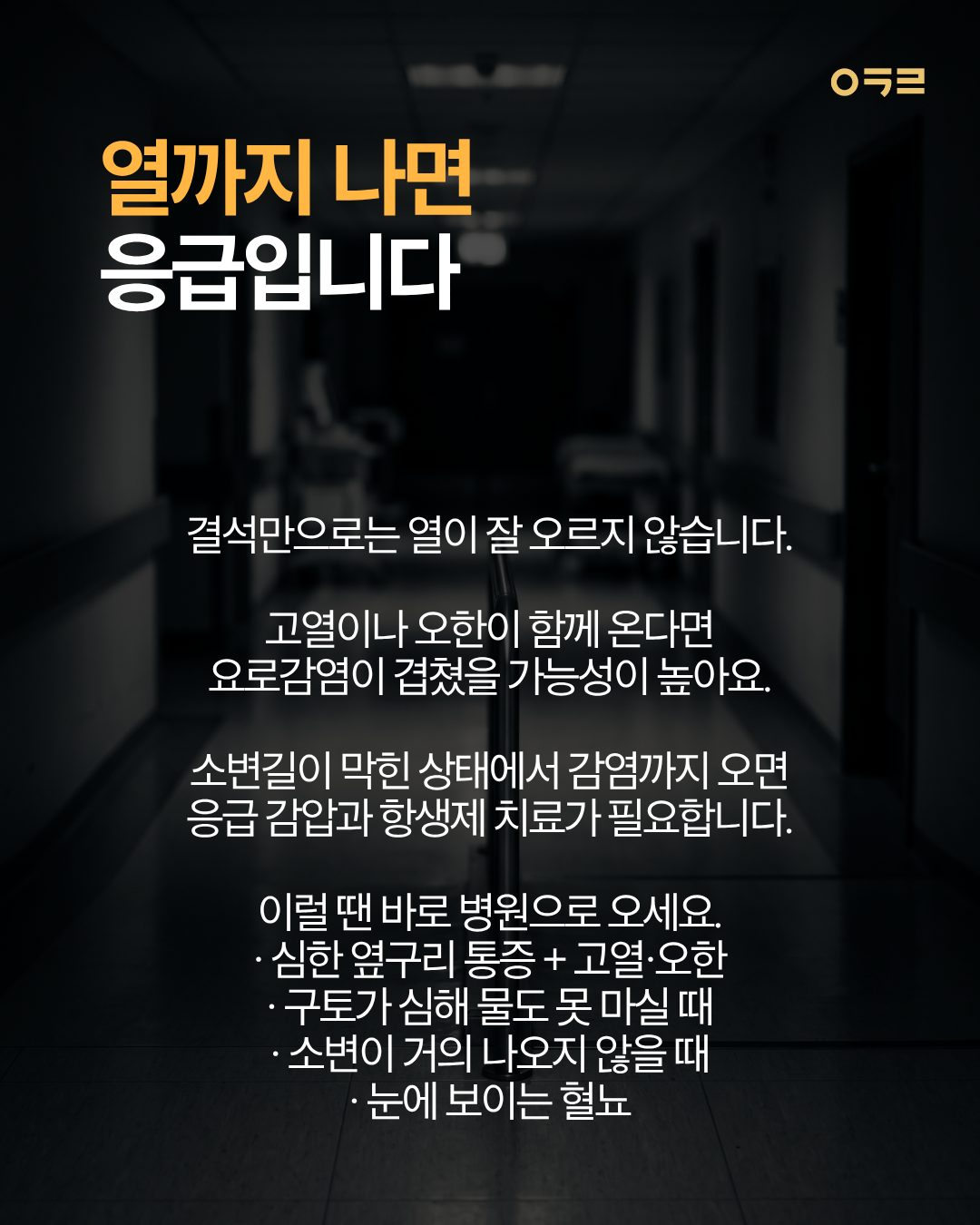
However, fever is not typically caused by stones alone. Therefore, if flank pain is accompanied by chills and high fever, there is a higher possibility of a concomitant urinary tract infection, requiring emergency treatment. Immediate medical attention is also necessary if vomiting is severe and you cannot even swallow water, if your urine output suddenly decreases, or if your urine color turns red or brown.
EAU 2025 Guidelines for Recurrence Prevention
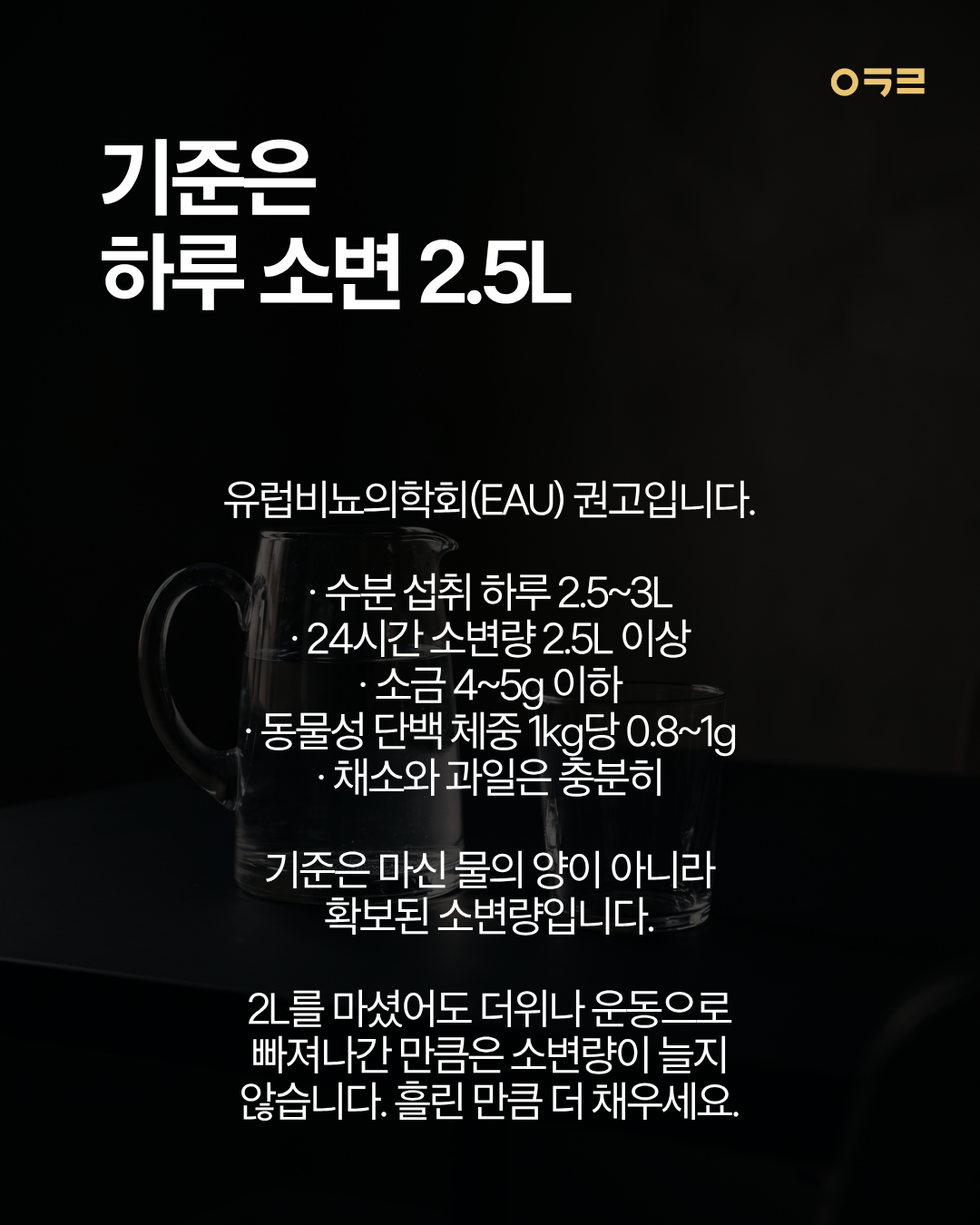
The European Association of Urology (EAU) presents recurrence prevention guidelines in its 2025 recommendations, applicable regardless of stone type, along with their strength of recommendation.
| Item | Recommendation | Strength of Recommendation |
|---|---|---|
| Fluid | Consume 2.5-3.0L daily, maintain 24-hour urine volume > 2.5L | Strong |
| Salt | Limit to 4-5g daily (when urinary sodium is high) | Strong |
| Animal Protein | Limit to 0.8-1.0g per kg body weight daily | Strong |
| Calcium | Maintain 1-1.2g daily, dietary restriction not recommended | Strong |
| Oxalate | Control intake only if levels are high on testing | Low grade |
| Weight/Activity | Maintain normal BMI and sufficient physical activity | General recommendation |
Why Reducing Calcium Can Be More Dangerous
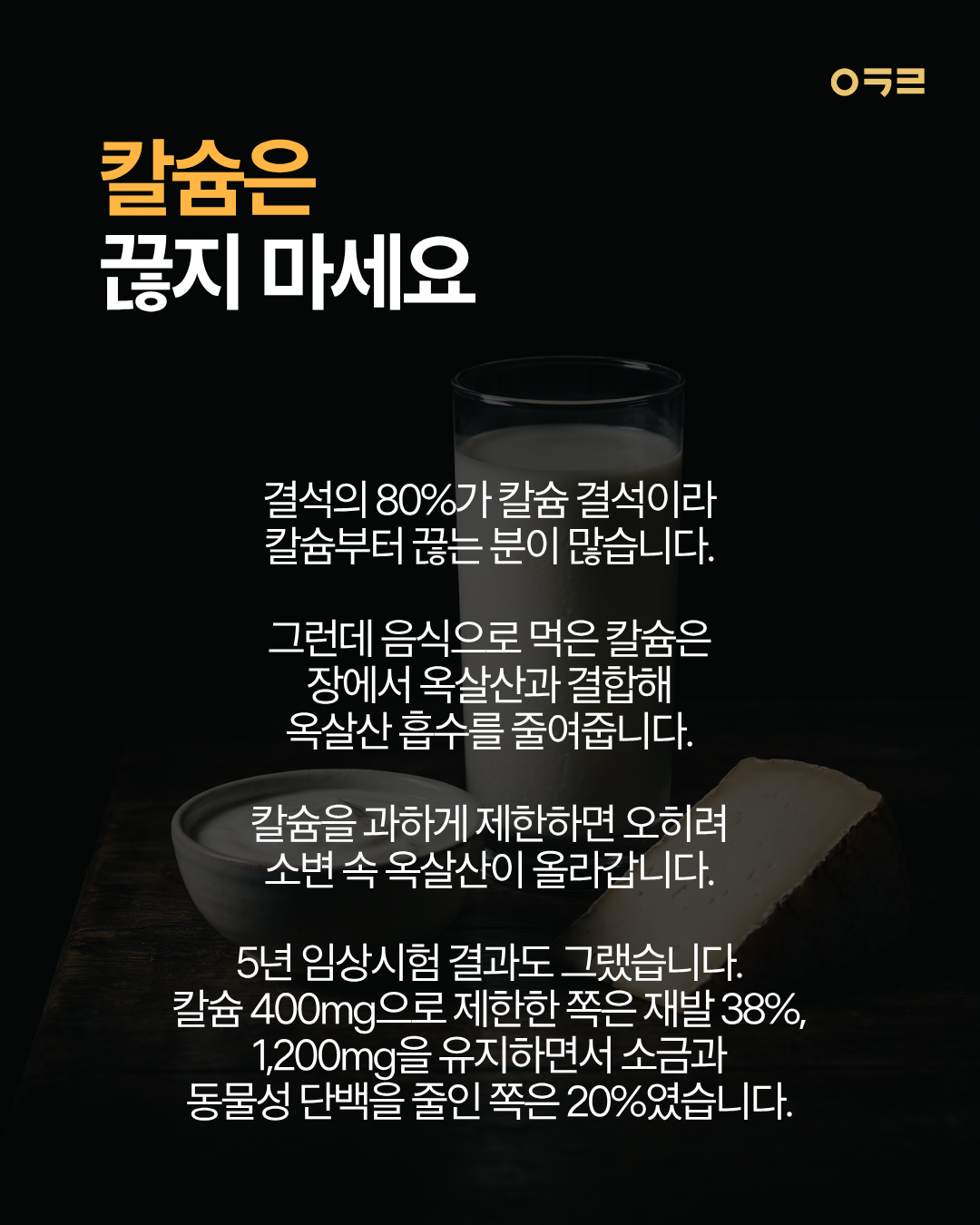
Many people tend to reduce calcium intake first, assuming that most formed stones are calcium-based. However, the guidelines recommend the opposite: maintaining 1-1.2g per day. This is because ingested calcium first binds with oxalate in the intestines and is then excreted together in the feces. If calcium is reduced, oxalate, having lost its partner, is absorbed as is, which can actually increase urinary oxalate concentration. In a 5-year randomized controlled study published in the New England Journal of Medicine, among 120 patients with recurrent calcium stones, the 5-year recurrence rate for a low-calcium diet (restricted to 400mg calcium) was 38%, while a diet maintaining 1,200mg calcium and restricting only salt and animal protein had a lower recurrence rate of 20%. However, this study targeted male recurrent patients with high urinary calcium, so the applicability may vary depending on stone composition or kidney function.
Drinking Only Water Is Not Enough
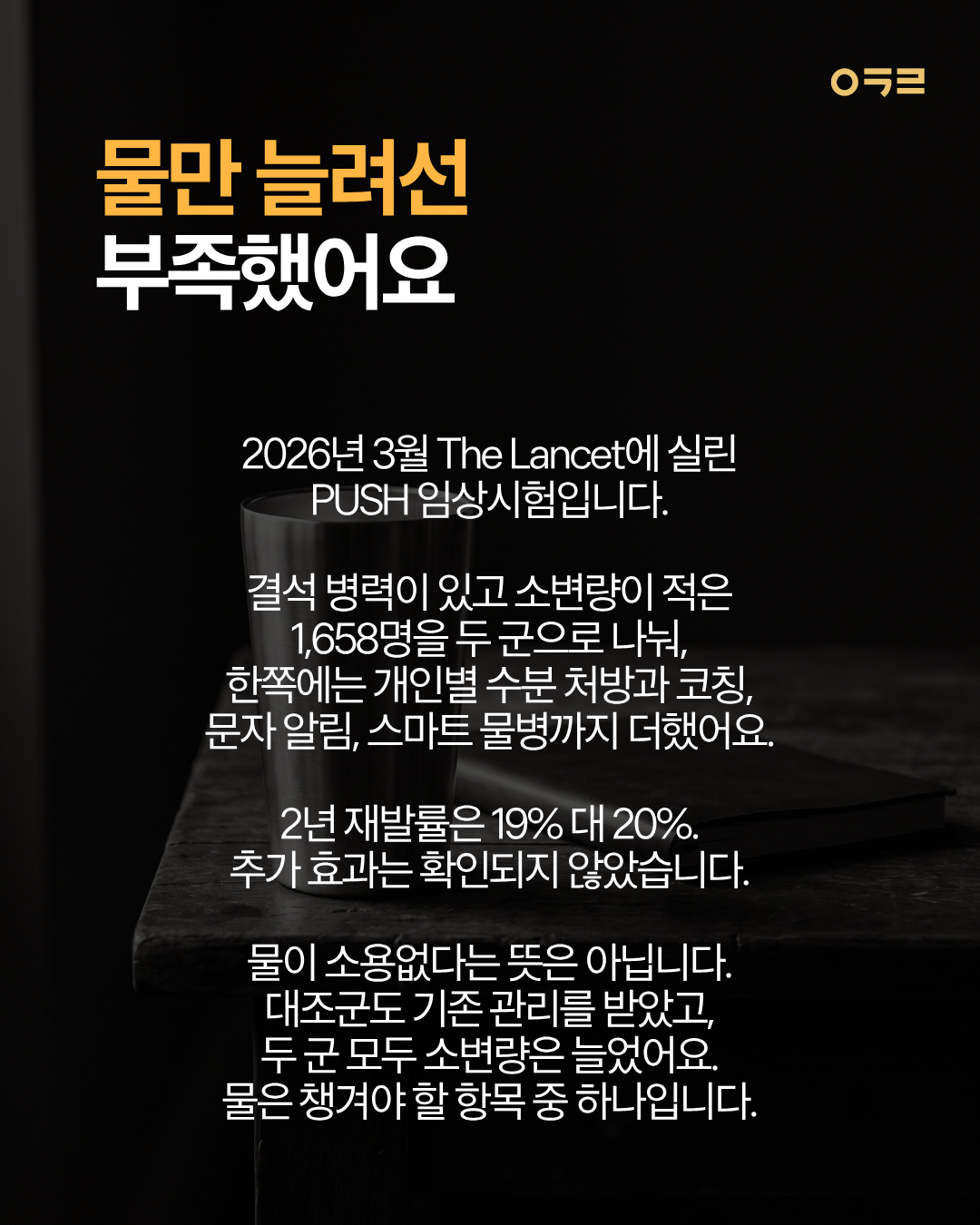
Fluid intake is the top recommendation in all guidelines, but the PUSH clinical trial, published in The Lancet in March 2026, specifically investigated this. Among 1,658 participants with a history of stones and low urine volume, one group received a 2-year behavioral program that included personalized fluid prescriptions, health coaching, text reminders, a Bluetooth water bottle, and financial incentives. While the intervention group's urine volume did increase, there was no difference in symptomatic stone recurrence between the intervention group (19%) and the control group (20%) (hazard ratio 0.96). This does not mean that drinking water is unnecessary, but rather that it is more accurate to interpret it as needing to consider salt and protein intake, as well as body weight, to reduce recurrence.
4 Things to Check If You Are on a Diet
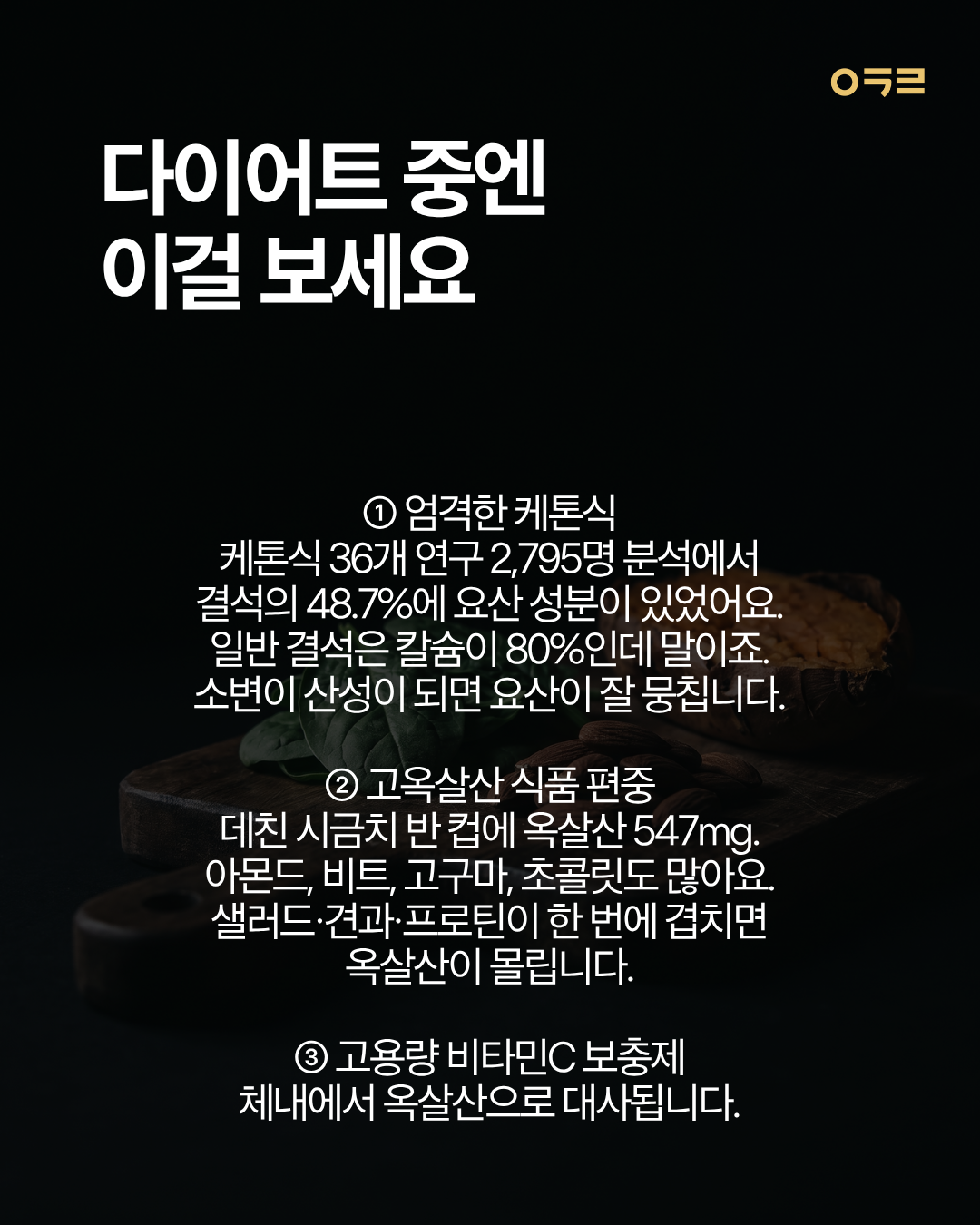
A 2025 systematic review (15 studies over 30 years, 97,645 participants) concluded that there is an association between high BMI and stone formation, but individual study results were mixed. Diet plans can easily include items that conflict with stone management criteria. The following four points are frequently overlapping issues:
First, low-carb, high-fat, or ketogenic diets can increase uric acid stones. In a meta-analysis tracking 2,795 individuals from 36 studies on ketogenic diets for an average of 3.7 years, the stone incidence rate was 5.9% (7.9% for adults only), and 48.7% of these stones were uric acid stones. Compared to the general population where calcium stones account for 80%, the composition is reversed. This is because extreme carbohydrate restriction can make urine more acidic, making it easier for uric acid to crystallize.
Second, oxalate is concentrated in many diet foods. According to Harvard School of Public Health content tables, half a cup of boiled spinach contains approximately 547mg, 28g of almonds contains about 72mg, and half a cup of sweet potato contains about 54mg. Therefore, low-carb diets that combine these ingredients may lead to higher oxalate intake than before dieting. Since EAU guidelines only weakly recommend oxalate restriction, it is more practical to avoid consuming large amounts in one meal and to combine them with calcium-containing dairy products to promote binding in the intestines beforehand.
Third, high-dose vitamin C supplements may need re-evaluation. A 2026 analysis of 9 studies published in the Journal of Endourology found that the 24-hour urinary oxalate excretion in groups taking vitamin C supplements was an average of 6.45mg higher per day compared to the placebo group. While typical intake amounts are not problematic, if you have a history of stones, it may be worth checking whether you are taking high-dose single-ingredient supplements.
Fourth, fluid intake should match fluid loss. If fluid loss from exercise and sauna increases but intake remains the same, combined with a low-carb diet, conditions for concentrated and acidic urine can be created. If your urine color is dark yellow, it indicates insufficient hydration, so you should replenish more on days you sweat a lot.
Summary
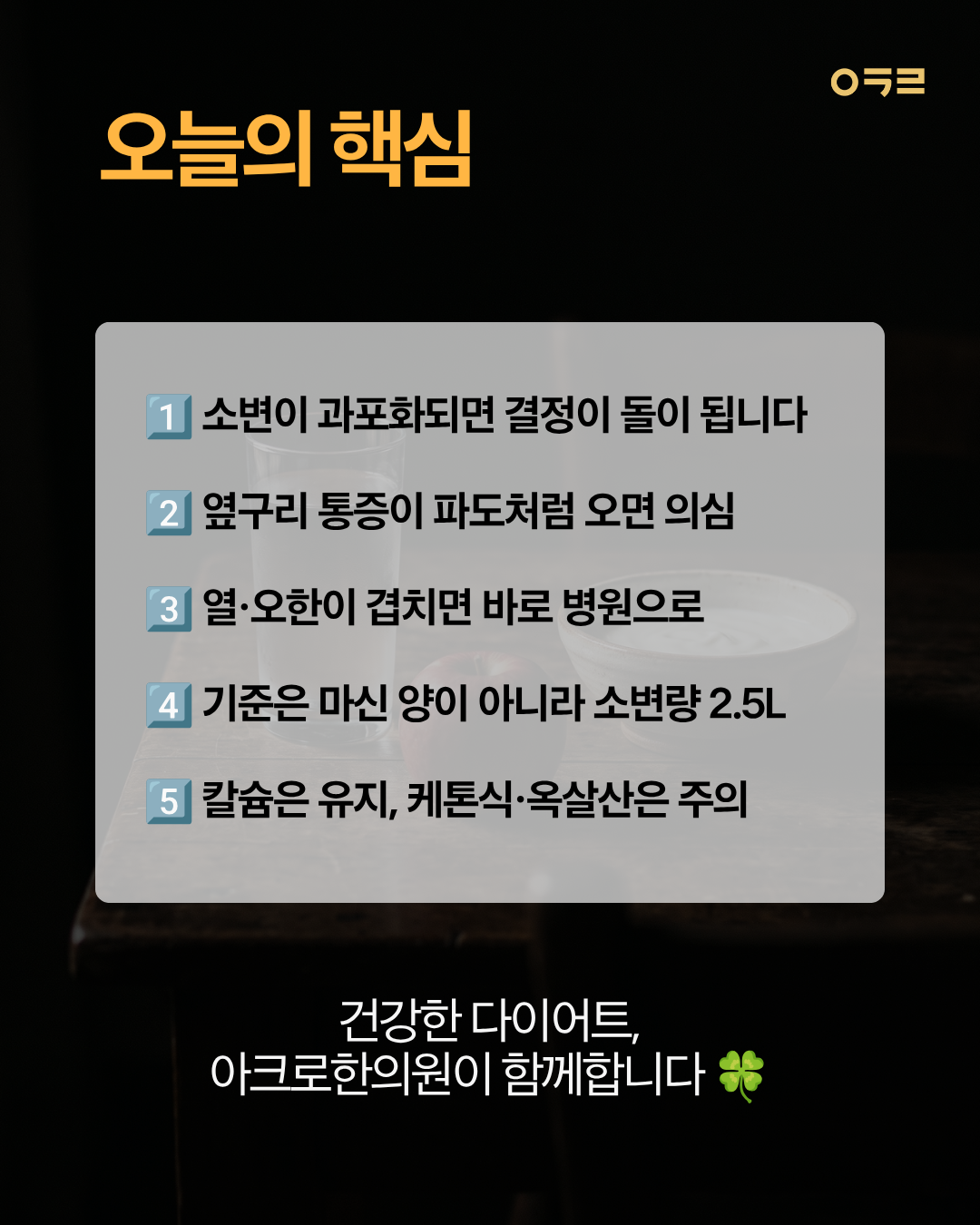
Urolithiasis often recurs after an initial episode, but by changing urinary conditions, the likelihood of recurrence can be significantly reduced. Do not rely solely on drinking more water; also examine your salt, protein, and calcium intake. If you are on a diet, please consider the risk of uric acid stones from ketogenic diets, over-reliance on oxalate-rich foods, and high-dose vitamin C.
KakaoTalk Consultation: Search for "acrohani" / Website: https://acrohani.com/
References
- European Association of Urology (EAU), Guidelines on Urolithiasis (2025)
- Borghi L, et al. New England Journal of Medicine (2002)
- Desai AC, et al. PUSH Clinical Trial, The Lancet (2026)
- Farkouh A, et al. Journal of Endourology (2026)
- Acharya P, et al. Diseases (2021), Ketogenic Diet Stone Meta-analysis
- National Health Insurance Service Press Release on Urolithiasis Treatment Status (2023)
- Harvard T.H. Chan School of Public Health, Oxalate Content of Foods
The research results cited are figures observed in the subjects of those studies. If you experience symptoms, please seek medical attention at a nearby healthcare institution.
Reviewed by: Dr. Park Ji-seon · Director of Acro Korean Medicine Clinic Last reviewed: 2026-09-20
This article is for general informational purposes only, and results may vary depending on individual dietary habits and constitution. Please consult with a specialist for accurate dietary and weight management guidance.