
Home›Pain Clinic›Joint Pain›Plantar Fasciitis
Plantar Fasciitis
Plantar fasciitis is a condition in which the sole and heel hurt, especially with the first steps in the morning; at ACRO we treat it with acupuncture, pharmacopuncture, Chuna and herbal medicine. We usually plan 2–3 sessions a week for 4–8 weeks, and functional insoles help with management.
- Sole pain
- First steps in the morning

ACRO Korean Medicine Clinic, right by Exit 3 of Sinnonhyeon Station in Gangnam, Seoul, treats plantar fasciitis and other pain in the sole and heel of the foot with acupuncture, pharmacopuncture, chuna manual therapy, and herbal medicine.
For you
Do these symptoms sound familiar?

Pain with the first steps in the morning
For those who feel a tearing pain in the sole with their first step in the morning

For those whose soles hurt after standing or walking for a long time
For those whose soles burn and ache after standing or walking for a long time

Heel pain when going down stairs
For those whose heel throbs when going down stairs or putting weight on it
Key info
Check treatment time and insurance first
- Treatment time
- 30–40 min walkAcupuncture + retention + Chuna
- Treatment frequency
- 2–3× / wkRecommended frequency
- National Health Insurance
- 20 / wkAcupuncture & Chuna covered by insurance
- Patient time in clinic
- ~20 min walkAcupuncture only (with Chuna 30–40 min)
Process
Plantar Fasciitis: how we treat it
- 01
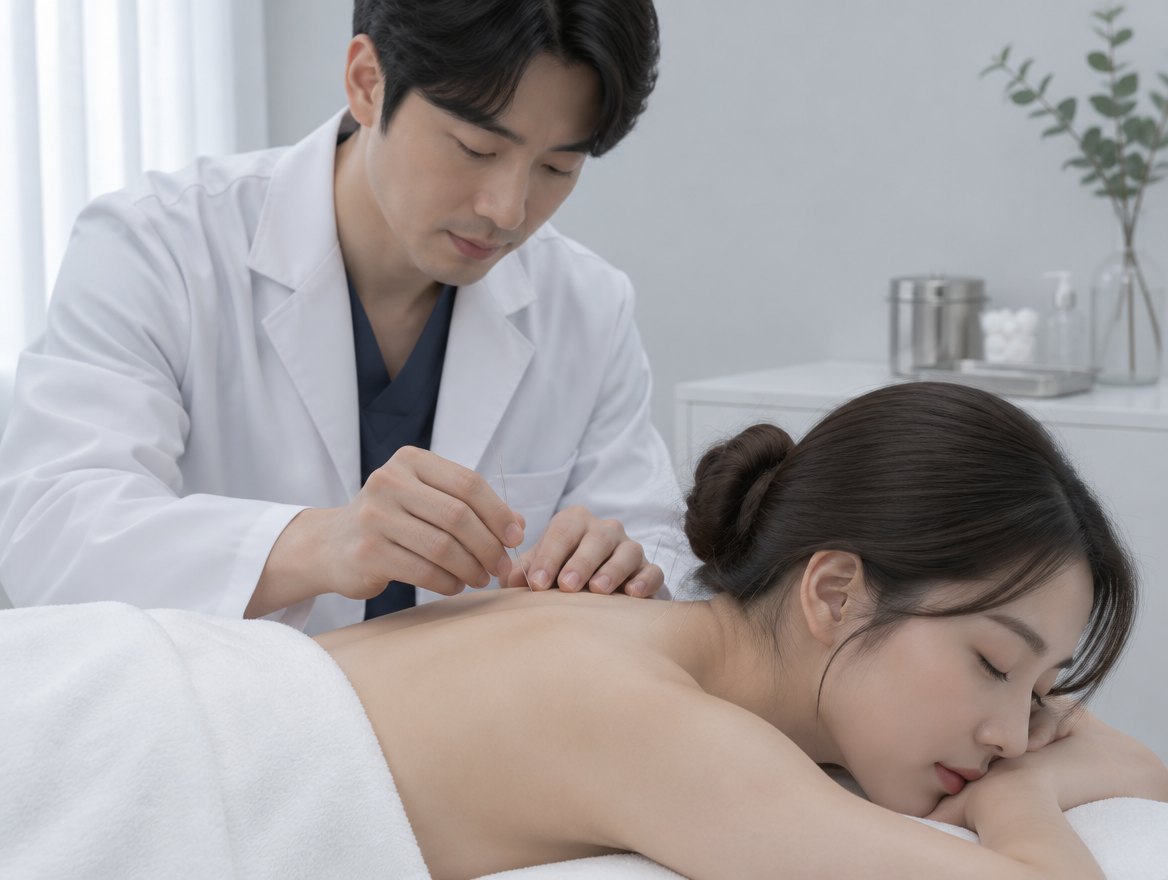
Acupuncture
We release tense muscles in the sole of the foot and the calf to help ease pain
- 02
Pharmacopuncture
Hwangnyeonhaedok pharmacopuncture is injected into the painful area to help reduce inflammation.
- 03
Herbal medicine prescription
We prescribe herbal medicine suited to your constitution and symptoms to support recovery
- 04
Chuna Therapy
We check the balance of the ankle and calf and carefully release stiff muscles
- 05
Taping
After treatment, taping is applied to stabilize the joints and muscles and sustain the treatment effect.
Patient safety
We first rule out cases that need surgery
Most foot sole pain can be expected to improve with non-surgical treatment, but in the cases below we recommend an orthopedic examination first
- When it hurts too much to bear weight after an injury (suspected fracture)
- When the heel is swollen and feels hot
- When numbness or reduced sensation is also present
- When pain continues to make walking difficult even after several months of treatment
Expected results
What treatment can change

Fast pain relief
Response to treatment differs from person to person, and we adjust the plan as we monitor progress

Non-surgical treatment
We manage disc and musculoskeletal conditions with Korean medicine treatment alone, without incisions or anesthesia

Preventing recurrence
We check your body's balance with Chuna and also guide you on lifestyle care to help reduce recurrence
Evidence
Treatments supported by ongoing research
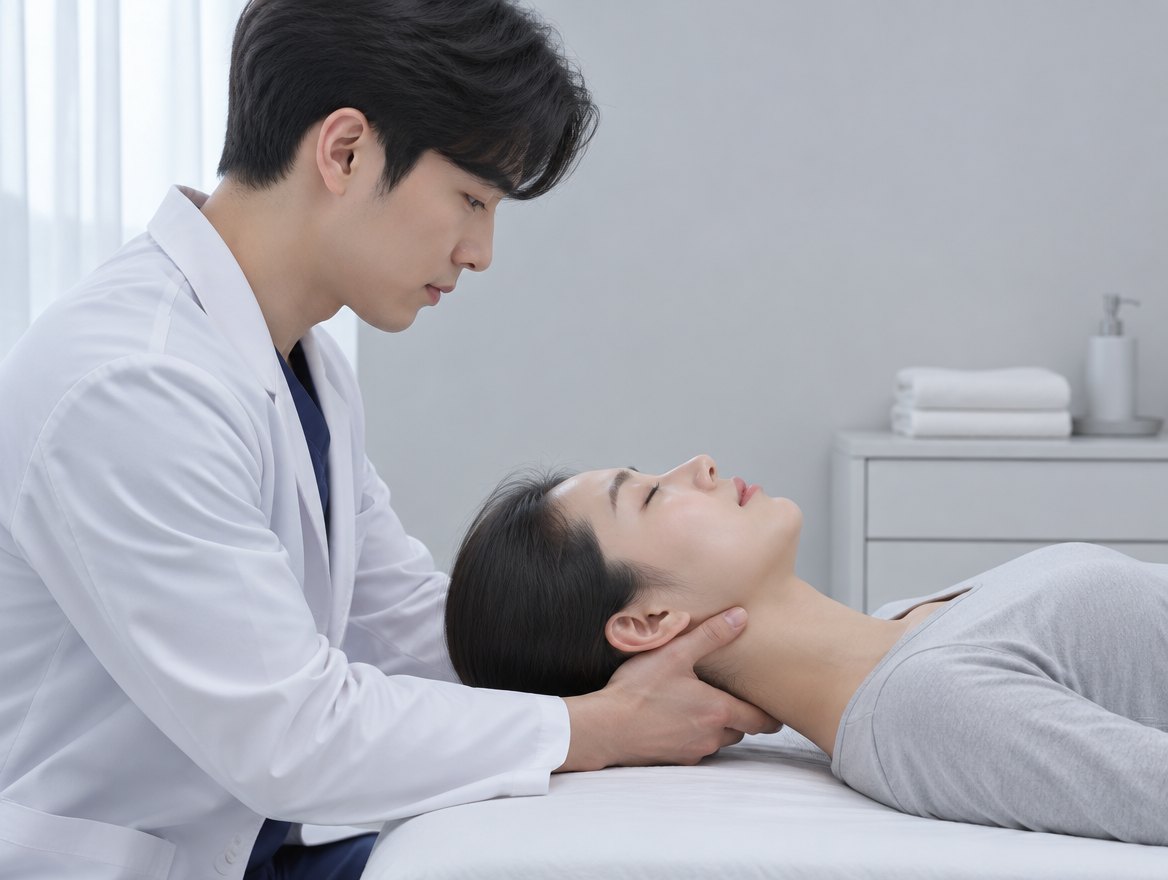
Chuna therapy
A musculoskeletal manual therapy performed directly by hands of a Korean medicine doctor, correcting a misaligned spine and joints.

Pharmacopuncture therapy
Purified components extracted from herbal ingredients are injected directly into acupuncture points, delivering the effects of both acupuncture and herbal medicine at once.
Why Acro
How ACRO approaches pain care

Ample consultation time with our doctors
With at least 30 minutes for a first visit, we carefully assess your condition through 1:1 personalized care.
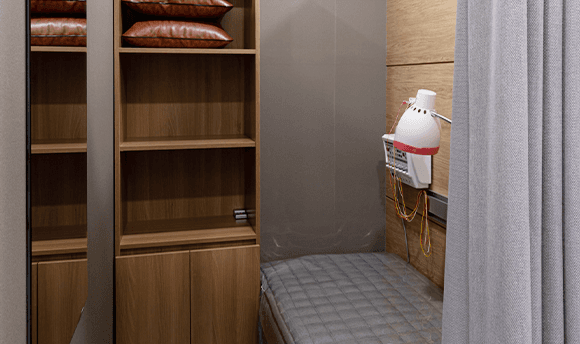
Private acupuncture and moxibustion treatment rooms
You can receive treatment comfortably in a private single-bed acupuncture room that protects your privacy.
Chuna manual therapy covered by National Health Insurance, 20 sessions per year
Chuna manual therapy is covered by National Health Insurance, so you can receive up to 20 sessions per year without financial burden.
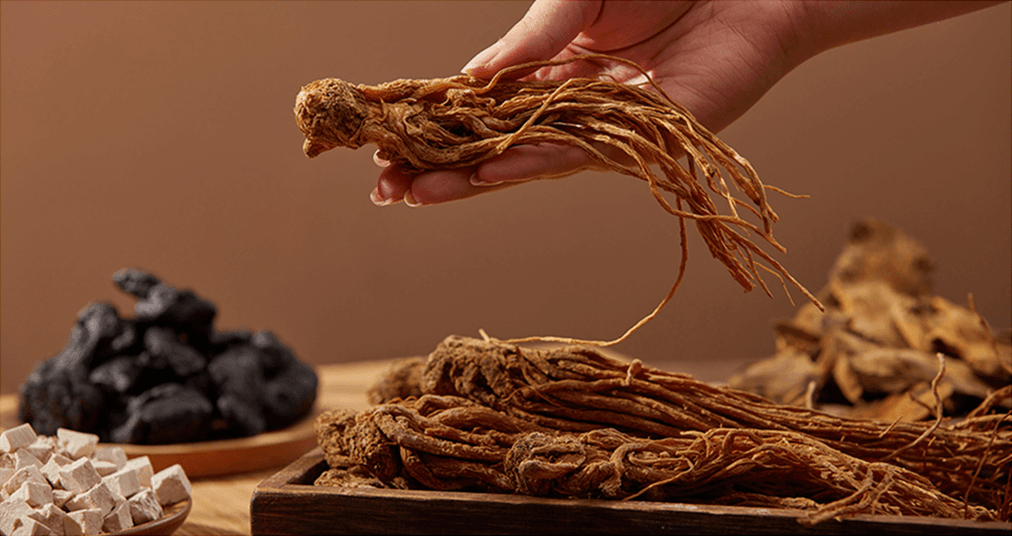
ACRO Korean Medicine Clinic's own prescription know-how
Based on extensive clinical experience, we prescribe according to each person's constitution and response.
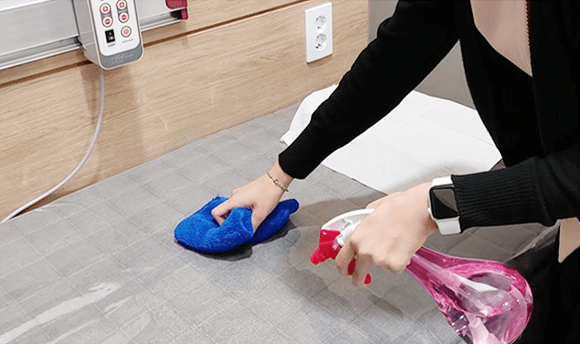
Bedding disinfected after every session and cleanliness maintained
Disposable face covers and bedding disinfection after every session keep the treatment environment hygienic and clean.

Skilled chuna and pharmacopuncture treatment
Based on extensive clinical experience, we systematically perform chuna therapy and pharmacopuncture treatment.
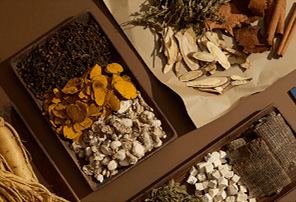
Carefully selected herbal ingredients
MFDS-certified (hGMP) herbal ingredients; freeze-dried and compounded, 100% herbal medicine
Notice
Please check before treatment
- Bring your ID
- Please bring your ID on your first visit.
- Chuna therapy time
- Receiving chuna therapy may make your stay longer than with acupuncture alone.
- Guardian consent for minors
- Minors can be treated with a guardian's consent, and a guardian's contact information is required.
FAQ
Plantar Fasciitis treatment: FAQ
Q01Can plantar fasciitis get better?
Yes, consistent treatment and care can help improve symptoms. Treatment averages 4–8 weeks, but recovery time varies with your condition and progress. We use that timeframe as a guide and continue care based on how your symptoms change.
Q02Do insoles help with plantar fasciitis?
Yes, supportive insoles can help manage plantar fasciitis. Using them alongside treatment can support symptom improvement and recovery. If you plan to use insoles, let us know so we can discuss how to combine them with your current care.
Q03How often should I get pain treatment?
We recommend treatment 2–3 times per week. Our doctors agree on the actual visit interval with you based on your plantar fasciitis symptoms and condition. The schedule is adjusted according to how your pain changes during treatment.
ACRO Pain Care
First, we find where the pain comes from — together
We check your current symptoms and lifestyle patterns, and
We guide you to the right treatment
1 min walk from Sinnonhyeon Stn. Exit 3Weekdays 10:30 – 20:30 · Lunch 13:00 – 14:00Sat · Sun · Holidays 10:00 – 15:30 (no lunch break)02-6925-1175