
Home›Pain Clinic›Spinal Disorders›Muscle stiffness (myofascial pain)
Muscle stiffness (myofascial pain)
A myofascial 'dam' is when the fascia tightens and blood flow drops, so the neck or shoulder suddenly stiffens and won't turn; at ACRO we treat it with acupuncture, pharmacopuncture and Chuna. If chest pain or shortness of breath comes with it, seek emergency care first.
- Stiff neck & shoulders
- Fascial tension
- Blood circulation

ACRO Korean Medicine Clinic, right by Exit 3 of Sinnonhyeon Station in Gangnam, Seoul, treats myofascial pain (muscle spasm and stiffness) with acupuncture, pharmacopuncture, and chuna manual therapy.
Overview
A sudden stiffening of the neck or shoulder that won't turn, caused by fascial tension and reduced blood circulation. When the fascia wrapping the muscles tightens, tender spots (trigger points) form and pain can spread to nearby areas. At ACRO Korean Medicine Clinic, we use acupuncture, pharmacopuncture and Chuna to release tight fascia and support circulation
Symptoms
If you have these symptoms
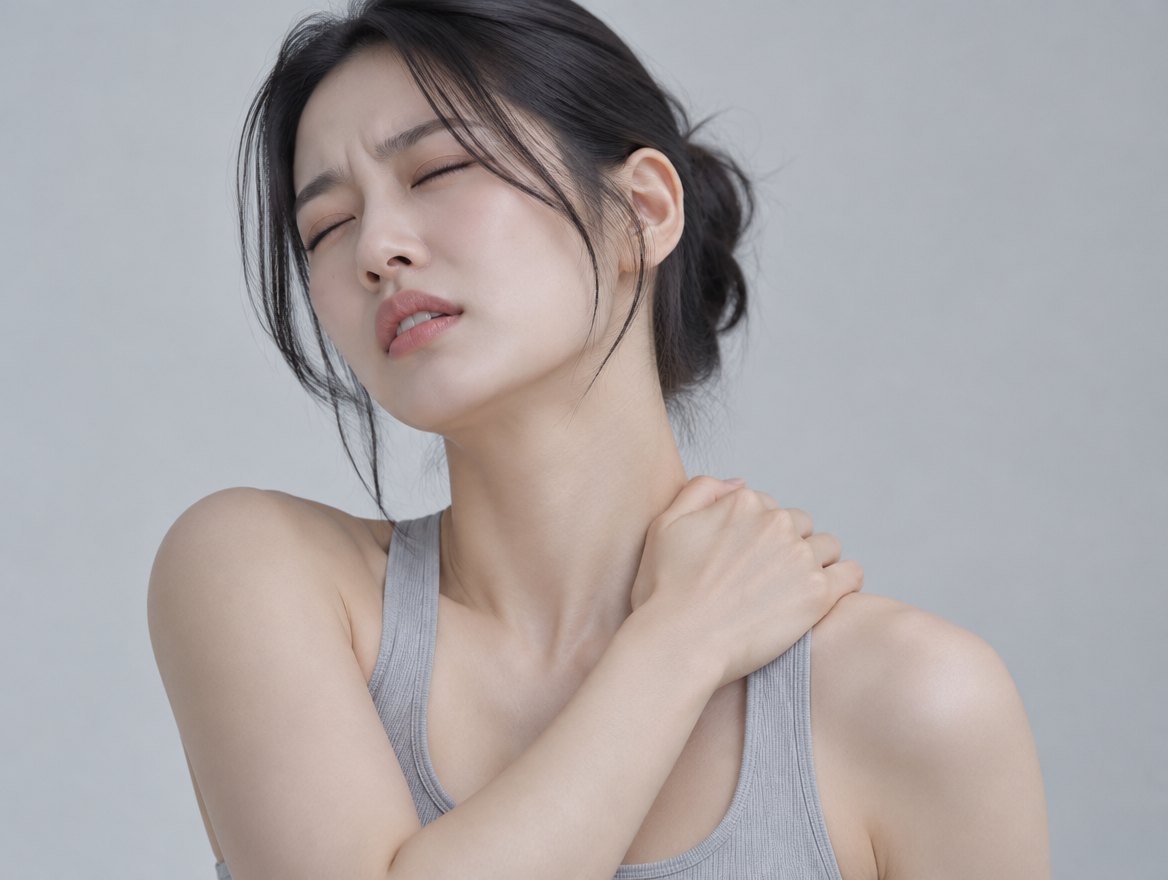
- I woke up and couldn't turn my neck
- Between my shoulder blades feels tight and pulls even when I breathe
- There's a spot that hurts a lot when pressed
- My shoulders feel as hard as stone
Causes
Causes
- Fascial tension
- Reduced blood circulation
- Staying in one position for a long time or exposure to cold drafts
- Accumulated stress and fatigue
Treatment
Treatment at ACRO

Acupuncture
Needling the trigger points and surrounding muscles helps release tension and may ease pain
Pharmacopuncture
Pharmacopuncture is applied to the tight area to help with fascial tension and circulation
Chuna
Gently loosens stiff joints and fascia to help restore movement
Process
How we treat
- STEP 1
Consultation
We ask in detail when the pain began, how it feels and which daily movements are uncomfortable
- STEP 2
Examination
We check the painful area and movement directly and review test results when needed
- STEP 3
Treatment
We choose the treatments you need from acupuncture, pharmacopuncture, Chuna and herbal medicine
- STEP 4
Progress check
We check your progress and adjust the treatment plan
FAQ
Muscle stiffness treatment: FAQ
Q01Will a muscle knot go away on its own?
Mild muscle stiffness or spasm may improve within a few days. If it recurs often or persists, we assess posture and muscle condition to identify why the pain continues.
Q02Should I use a cold or a warm compress?
A warm pack can help relax tight, stiff muscles. However, if a bump or sprain causes swelling and warmth, use a cold pack until the swelling and heat settle.
Q03What if I also feel chest tightness or shortness of breath?
If chest pain or shortness of breath occurs as well, seek emergency care first. The cause may be something other than muscle pain, so it is safer to have a hospital assessment before continuing treatment.
ACRO Pain Care
First, we find where the pain comes from — together
We check your current symptoms and lifestyle patterns, and
We guide you to the right treatment
1 min walk from Sinnonhyeon Stn. Exit 3Weekdays 10:30 – 20:30 · Lunch 13:00 – 14:00Sat · Sun · Holidays 10:00 – 15:30 (no lunch break)02-6925-1175